
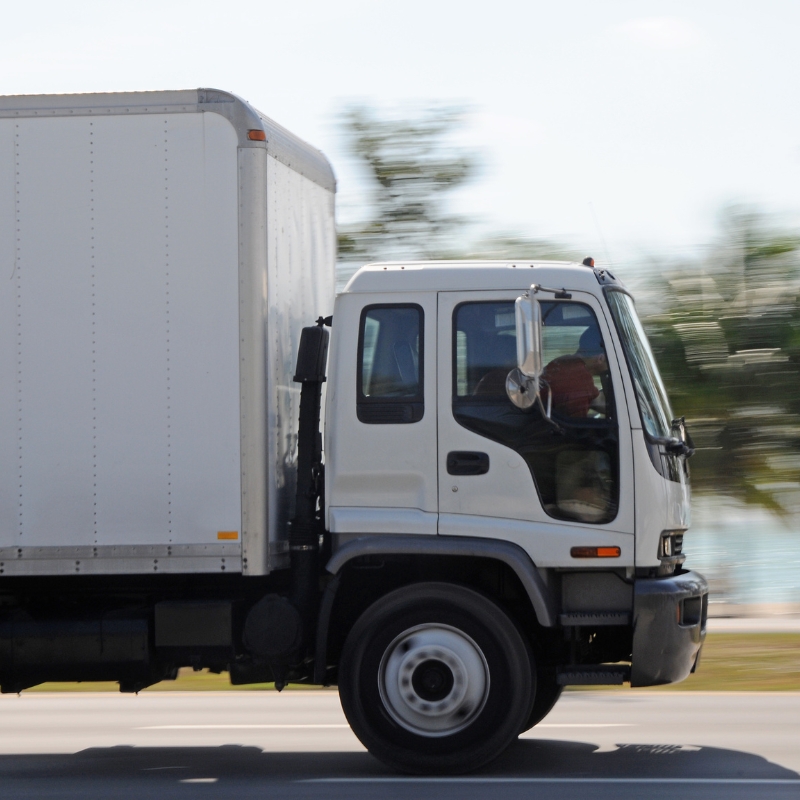
If you’re planning to drive medium rigid trucks or buses in New South Wales, passing the MR licence test is an essential step. An MR (Medium Rigid) licence allows you to operate vehicles with a gross vehicle mass (GVM) over 8 tonnes, provided the vehicle has two axles. It also allows you to tow a trailer with a GVM of up to 9 tonnes, as long as all towing requirements are met.
Driving these vehicles without the correct licence is illegal and can result in fines, penalties, and insurance issues. That’s why understanding the MR licence process and preparing properly before sitting the test is so important.
In NSW, the MR licence pathway involves meeting eligibility requirements, passing a knowledge test, completing practical training, and successfully demonstrating vehicle competency during an assessment.
Why Get an MR Licence?
Before learning how to pass the MR licence test, it’s worth considering why upgrading your licence is worthwhile.
An MR licence expands the range of vehicles you’re legally permitted to drive, which can significantly improve your job prospects. Industries that regularly require MR-qualified drivers include:
- Transport and logistics
- Construction and civil works
- Waste management
- Local councils and utilities
- Bus and community transport services
For many drivers, completing Medium Rigid (MR) truck licence training in Sydney is a practical way to move into higher-paying roles or secure more consistent work. With demand for qualified heavy vehicle drivers remaining strong, holding the correct licence is often a key requirement for employment.
MR Licence vs Other Heavy Vehicle Licences
Understanding where the MR licence sits within the heavy vehicle licence system can help you plan your career pathway.
- LR (Light Rigid): Smaller buses and trucks
- MR (Medium Rigid): Two-axle rigid vehicles over 8 tonnes
- HR (Heavy Rigid): Three or more axles
- HC / MC: Articulated vehicles and road trains
Many drivers choose MR as their first heavy vehicle upgrade because it offers a strong balance between accessibility and job opportunity.
MR Licence Test NSW: Eligibility Requirements
Before you can sit your MR licence test in NSW, several eligibility conditions must be met.
Licence Holding Period
You must have held a Class C (car) licence or equivalent for at least 12 months. Time spent on a learner licence does not count toward this requirement.
Service NSW Application
Applicants must attend a Service NSW centre in person and complete the required application process. This includes providing proof of identity, completing an eyesight test, and paying the relevant fees. Additional guidance on getting a heavy vehicle licence in NSW is available directly from the NSW Government.
Medical and Eyesight Checks
An eyesight test is mandatory, and some applicants may also need to meet specific medical criteria. Understanding the medical requirements for an MR licence ahead of time can help avoid delays during the application process.
Knowledge Test
Before moving on to the practical stage, you must pass the Heavy Vehicle Knowledge Test. This test covers topics such as road rules, safe driving practices, fatigue management, and basic load safety.
What the Heavy Vehicle Knowledge Test Covers
The knowledge test is designed to ensure drivers understand the responsibilities that come with operating larger vehicles.
Topics typically include:
- Heavy vehicle road rules
- Speed and braking distances
- Fatigue management principles
- Safe following distances
- Hazard perception
Preparing properly for this test reduces stress and helps you progress smoothly to the practical stage.
Understanding the MR Licence Practical Assessment
The practical assessment focuses on your ability to safely operate a medium rigid vehicle under real driving conditions.
You’ll be assessed on your ability to:
- Conduct proper pre-start safety checks
- Use mirrors correctly and consistently
- Maintain safe road positioning
- Control speed and braking smoothly
- Perform reversing and manoeuvring tasks
- Identify and respond to hazards
The final vehicle competency assessment must be conducted by an accredited assessor who was not involved in your training. This is why completing structured professional truck driver training in Sydney is often recommended, as it ensures you’re familiar with the assessment criteria before test day.
Common Reasons MR Licence Candidates Fail
Understanding common mistakes can help you avoid them.
- Rushing pre-start safety checks
- Inadequate mirror use
- Poor lane positioning on the turn
- Inconsistent speed control
- Hesitation or over-correction
Most failures come down to technique and awareness, not lack of driving ability.
MR Licence Test NSW Checklist
Before booking your MR licence assessment, make sure you’ve completed the following:
- Held a Class C licence for at least 12 months
- Completed your Service NSW application
- Passed the Heavy Vehicle Knowledge Test
- Completed eyesight and medical checks if required
- Received the relevant logbook and assessment guide
- Undertaken practical MR vehicle training
- Practised all required driving and manoeuvring tasks
- Arranged an accredited assessor for the final test
Completing each step in advance reduces the risk of delays or failed assessments.
Practical Tips to Pass the MR Licence Test
Many drivers fail the MR licence test not due to poor driving ability, but because they don’t meet assessment standards consistently.
Take Pre-Start Checks Seriously
Assessors expect a thorough and methodical inspection. Missing key safety checks is a common reason for failure.
Use Mirrors Clearly and Often
Your mirror checks should be obvious and regular. Assessors look for visible head movement, not just quick glances.
Drive Smoothly
Controlled acceleration, safe braking, and steady steering are essential when operating a medium rigid vehicle.
Position the Vehicle Correctly
Wide turns, lane discipline, and clearance awareness are closely monitored throughout the assessment.
Stay Calm Under Pressure
Nerves cause most mistakes. Focus on each task individually and avoid rushing.
What to Expect on Test Day
Knowing what the day looks like can reduce anxiety.
- Identity and paperwork checks
- Vehicle familiarisation
- Pre-start inspection
- On-road driving assessment
- Manoeuvring tasks
- Final feedback from the assessor
Being prepared for the structure helps you focus on driving well.
Booking Your MR Licence Test in NSW
Once you’ve completed training and feel confident in your skills, the final step is booking your assessment.
Many drivers choose to book through a training provider that offers Medium Rigid (MR) truck licence training in Sydney, as this often includes access to a compliant vehicle, guidance on test requirements, and coordination with accredited assessors.
Booking the first time can save you time, stress, and the cost of re-sitting the assessment.
Final Thoughts
For drivers looking to expand their skills and improve employment opportunities, upgrading to an MR licence is a smart move. The MR licence test in NSW is designed to ensure drivers can operate medium rigid vehicles safely and competently — not to catch people out.
With the right preparation, proper training, and a clear understanding of what assessors are looking for, passing the MR licence test is well within reach.