

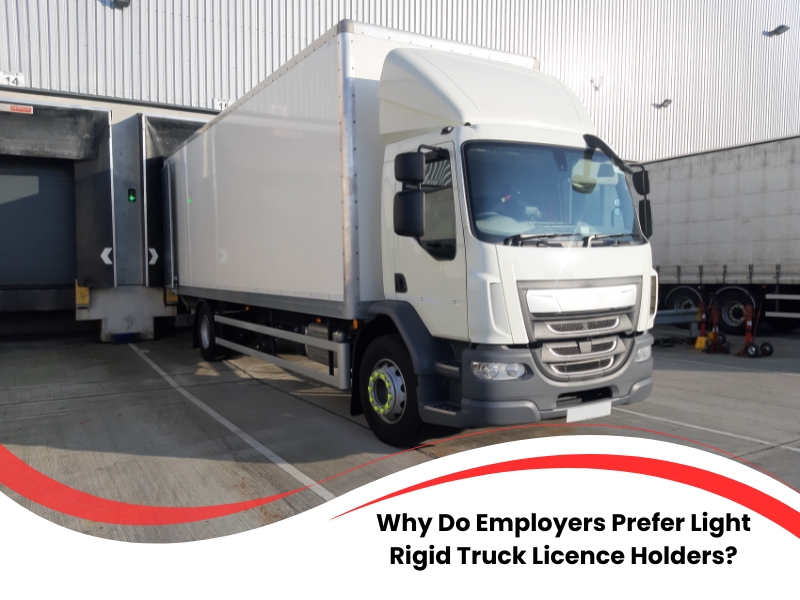
Employers prefer LR licence holders because they reduce risk, stabilise rosters, and protect assets from day one with proven skills and compliance. The light rigid truck licence signals readiness, fewer incidents, and smoother onboarding across busy depots and tight delivery windows. You present as a safer bet, which means faster shifts and less hand-holding. This article explains what hiring managers weigh up, where shortages sting, and how the proper training gives you a leg up in competitive logistics roles.
What challenges do employers face in finding and hiring qualified light rigid truck drivers?
Employers struggle to secure LR-ready drivers because unprepared applicants raise risk, slow onboarding, and disrupt schedules. Hiring teams need candidates who can operate safely, pass site checks, and communicate clearly. Here are the hiring pain points and what you can do:
- Evidence of skills: Bring recent cabin time, pre-start check records, and a clean logbook.
- Insurance alignment: Show incidents are rare to signal lower onboarding risk.
- Site compliance: Arrive induction-ready with PPE, fatigue knowledge, and load-restraint basics.
- Communication habits: Report defects early and confirm route changes without drama.
- Location flexibility: Indicate you can cover early starts, night work, or weekends.
For role clarity during shortlisting, teams often point to licence classes and site rules, so your resume should reflect genuine LR capability, not wishful thinking. Using the proper references and a tidy compliance pack helps you stand out in a crowded field. To ground licence discussions, many managers reference exploring NSW truck licence types and requirements mid-interview to keep expectations straight. In short, show practical readiness, not only enthusiasm. Hiring teams value proof that you can roll out safely, no fuss.
How does the shortage of licensed light rigid drivers impact logistics operations?
Shortages impact operations by forcing overtime, delaying dispatch, and increasing customer complaints. When LR drivers are scarce, schedules slip, leading to expensive rebooking. Here are the operational impacts you’ll notice:
- Dispatch delays: Idle trucks while planners scramble for cover.
- Missed windows: Penalties from customers when time slots are blown.
- Cost blowouts: Overtime and rentals spike without LR roster depth.
- Morale dips: Reliable drivers carry extra runs and burn out.
- Customer churn: Repeats fall when deliveries arrive late or damaged.
Because gaps compound, supervisors prioritise licence-ready candidates who can deliver faster time-to-productivity on complex routes. A single dependable LR driver can stabilise two or three runs and reduce overtime across the week. That steadiness keeps customer relationships sweet and limits the heat on operations teams.
Why are entry-level applicants without a light rigid truck licence often overlooked?
Entry-level applicants without the ticket are often bypassed because they require more extensive training, closer supervision, and increased insurer scrutiny. Managers prefer candidates who can start safely with minimal oversight, especially when the depot is flat out. Here are the reasons unlicensed applicants slide down the list:
- Training load: Extra shadowing ties up senior drivers.
- Insurance pressure: Under-qualified operators create reduced insurance exposure only after extensive oversight.
- Customer requirements: Many sites demand licence evidence for access.
- Roster reliability: Licence-ready hires cover tricky windows without hand-holding.
- Assessment readiness: Unlicensed applicants cannot sit for the LR assessments yet.
If you plan to apply soon, it helps to understand process and timelines so hiring conversations stay on track—particularly how to apply for a light rigid truck licence. That clarity shows intent, reduces uncertainty for planners, and saves everyone a lot of effort later. Bottom line, hiring teams avoid avoidable risk. Licence readiness moves you from near-ready to job-ready.
How does holding a light rigid truck licence boost your career prospects?
Holding an LR licence signals immediate value: you can be rostered fast, trusted with customer sites, and assessed for upgrades sooner. Here are the career advantages you can bank on:
- Shift access: Broader rosters lead to higher job security and steadier income.
- Customer-facing work: Confidence around sites leads to improved feedback and rebookings.
- Progression pathways: Move from metro multi-drop to larger vehicles or specialised freight.
- Pay uplift options: Premiums for nights or skills stack once you’re proven.
- Credible references: Supervisors back reliable LR performance over time.
| LR licence essentials | What it means for you |
| Vehicle class | Single-deck buses; trucks and buses with two axles; motor vehicles over 4.5 t GVM; trailer up to 9 t (not exceeding the vehicle’s GVM). |
| Eligibility | Hold a Class C (not Learner) for at least one year before enrolling. |
| Assessment pathway | Training and assessment via HVCBA, aligned to AQF and Service NSW heavy vehicle standards. |
| Typical duration | Many candidates complete the course and assessment in one day if they are well-prepared. |
| After assessment | Visit a Service NSW centre to upgrade your licence. |
| Training locations | Sydney, Newcastle, Central Coast, Wollongong, Campbelltown, Penrith. |
Preparation matters for confidence on test day and during your first weeks in the seat, so consider complementary study. Learning how to prepare for your truck licence test, to refine practice sessions and reduce rework. In short, the ticket gives you a clear runway. With tidy logs and solid references, progression is on the cards.
How does driver fatigue management training enhance employability?
Fatigue training demonstrates that you can plan rest, identify risks, and maintain sharp reaction times across extended shifts. Employers want drivers who manage themselves safely, no dramas. Investing in the best seats for trucks can also help reduce driver fatigue by improving posture and comfort, thereby supporting the fatigue management principles taught in training. Here are the employability gains from credible fatigue knowledge:
- Lower incident rates: Planned breaks and hydration support safer day-one performance.
- Predictable compliance: Clean records simplify audits and close-out actions.
- Communication clarity: You flag early when schedules threaten rest periods.
- Professional habits: You treat sleep, diet, and heat as operational factors.
- Roster trust: Supervisors assign tougher windows when recovery is planned.
When discussing training with recruiters, cite units and standards to show you’ve done your homework. Understanding fatigue management standards for professional drivers demonstrates alignment with recognised competencies. Strong fatigue habits quickly convert into trust during live runs. That trust opens better routes and steadier hours.
Why do employers value safe and compliant driving habits?

Safe and compliant habits turn complex shifts into predictable days and fewer claims. Managers value drivers who remain calm, stay alert, and treat site rules as non-negotiable. Here are the behaviours that get noticed:
- Smooth vehicle control: Calm lane changes and gentle braking reduce wear.
- Load restraint discipline: Fewer damaged goods and happier customers.
- Defect reporting: Faster fixes and less downtime.
- Courteous site conduct: Security and dock teams wave you through.
- Incident prevention: Consistent habits support an improved public image.
These habits also reduce insurer attention and keep premiums steady. In other words, safe drivers make everyone’s life easier and keep the wheels turning on time.
Final thoughts on career growth with a light rigid truck licence
An LR licence helps operations hit their marks because you arrive competent, compliant, and ready to protect assets without hand-holding; it also shortens onboarding, steadies rosters, and builds trust that leads to better routes and steadier hours, so keep documents current, maintain tidy fatigue records, and cultivate references that reflect consistent, courteous performance—if timing and options feel murky, a short chat with a training team can set direction without fuss, and discover how Core Truck Driving School can guide your licensing journey before the next intake and lock in a plan that suits.