

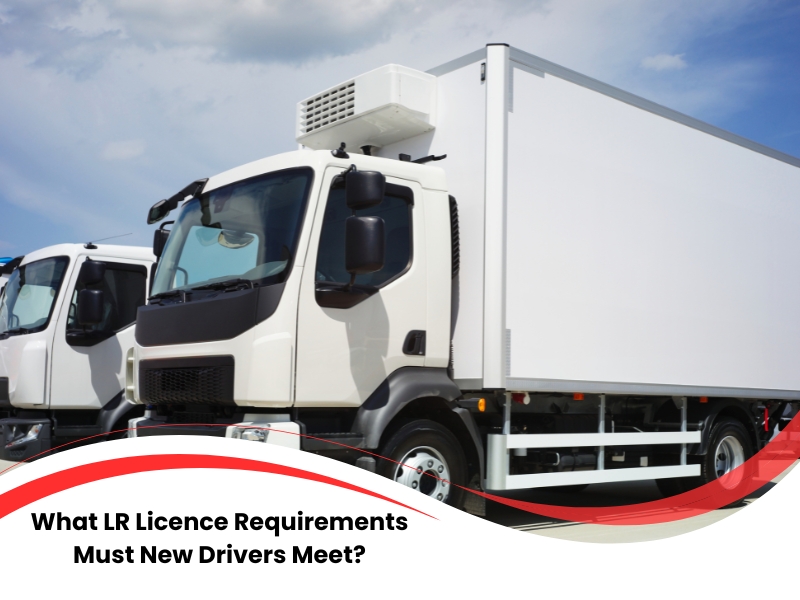
Gearing up to drive a light rigid (LR) vehicle in Australia means getting familiar with some essential rules. Whether you’re aiming to operate small buses, vans, or trucks, understanding LR licence requirements early can save you time and hassle. But these requirements aren’t the same across the board — they vary by state, vehicle type, and even your experience. Many new drivers don’t realise that an LR licence isn’t just about passing a simple test. It involves specific training, vehicle size restrictions, and often a hefty cost. If you’re not across the fine print, you might find yourself in the wrong lane altogether. This guide breaks down what you need to know — from training and costs to how your experience could change the process. You’ll also get insights on how state regulations might affect your path.
What is the difference between an hr licence and an LR licence?
You might think all truck licences are created equal — but there’s a world of difference between an HR (Heavy Rigid) and an LR (Light Rigid) licence. These two classifications don’t just refer to the weight of the vehicle. They also govern what you’re legally allowed to drive and how you’re trained. An LR licence typically covers:
- Buses with a maximum of 12 seats (including the driver)
- Vehicles over 4.5 tonnes GVM but under 8 tonnes
- Towing a trailer up to 9 tonnes GVM
On the other hand, an HR licence allows you to drive much larger and heavier vehicles, such as:
- Rigid vehicles with three or more axles
- Vehicles over 8 tonnes GVM
- Towed trailers up to 9 tonnes GVM
A key consideration is that HR licence training is more demanding, with stricter eligibility rules compared to other licence classes. Many drivers moving up from a car licence often start with an LR licence (Light Rigid licence). Choosing an LR licence is a great stepping stone if you’re not yet ready for the challenges of HR training but still want to understand the process of getting your heavy vehicle licence in Australia.
How can the licence requirements vary between states in Australia?
Australia’s road rules may feel similar coast to coast, but LR licence requirements can change drastically depending on where you’re based. It is therefore essential to verify with local transport authorities before booking training. Common state-specific variations include:
- Minimum age (often 18, but can differ slightly)
- Residency and proof of address
- Application forms and medical declarations
- Recognition of interstate training providers
- Availability of accredited assessors
For instance, NSW may require you to pass a heavy vehicle knowledge test, while Queensland might focus more on supervised training hours. Because regulations evolve, it’s smart to stay across updates — especially when it involves how to prepare for the NSW heavy vehicle knowledge test.
What LR licence requirements apply to vehicle size and weight?
Size matters when it comes to LR licences — and not all vehicles make the cut. Australia has strict guidelines about what vehicles qualify under an LR classification.
You’ll need to train in and be assessed using a vehicle that:
- Has a GVM (Gross Vehicle Mass) over 4.5 tonnes but less than 8 tonnes
- May have either two axles or a single rear dual-axle setup
- Is not towing more than 9 tonnes
Here’s a snapshot comparing vehicle specs by licence class:
| Licence Class | Minimum GVM | Max GVM | Axles Required | Trailer Limit |
| Car (C) | N/A | 4.5t | 2 | Up to 750kg |
| LR | 4.5t | <8t | 2 | 9t max |
| MR | 4.5t | No cap | 2 | 9t max |
| HR | 8t | No cap | 3+ | 9t max |
Keep in mind, exceeding vehicle weight limits can void your licence and lead to penalties. It’s not just about what you can drive — but what you’re trained in. For example, exploring HGV truck licence requirements helps distinguish which licence suits your future driving goals.
How do training and tests ensure you meet the LR licence requirements?
Training is where the rubber meets the road. To qualify for your LR licence, you’ll need to pass both knowledge and practical assessments. These are designed to test your understanding of road rules, safe operation, and vehicle control. Core components include:
- The Driver Knowledge Test (DKT)
- Eyesight and medical checks
- On-road practical assessment
- Vehicle pre-checks and manoeuvring
The training provider must be accredited and use an approved vehicle for assessments. The entire process can be completed in a day or two if you’re well-prepared. A big plus is that hands-on training gives you the confidence to handle larger vehicles, especially if you’re moving up from a car licence. For efficient support in understanding LR licence requirements, always make sure your provider aligns with government standards.
What costs should learners expect when applying for a licence?
Getting your LR licence isn’t cheap — and failing to budget for it could stall your progress. Expect to pay more than just for the training. Common expenses include:
- Training course fees (usually $500–$1,200)
- Booking fees for tests
- Medical or eyesight checks
- Licence upgrade application fees
- Fuel levies or admin charges from training providers
Unexpected costs can easily blow out your training budget, especially if you need extra lessons or re-assessment. Prices vary depending on location and provider, so always request a full breakdown upfront. Some offer all-inclusive packages, while others itemise every step. If money’s tight, ask whether you can pay in instalments — or look into subsidies for job seekers or new residents.
Can previous driving experience reduce the licence requirements?
Here’s where things might work in your favour. If you’ve spent years behind the wheel or hold another class of licence, you may be able to streamline the LR process. Possible ways to reduce requirements include:
- Recognition of prior learning (RPL)
- Shorter training for experienced drivers
- Waivers for parts of the theory test
- Using logbooks to demonstrate competency
But be warned — prior experience doesn’t guarantee a shortcut. Every learner must still meet core safety and legal standards. If you’ve driven commercial vans or hold an MR licence, for instance, your path to LR might be shorter. Still, check with your local authority to confirm what’s accepted.
Key takeaways
If you’re serious about qualifying for an LR licence, doing your homework pays off. From understanding weight limits to passing practical tests, every step demands planning. Here’s what to keep in mind:
- LR licences cover vehicles between 4.5 and 8 tonnes GVM
- State rules may affect your path and testing
- Training includes theory and on-road assessment
- Costs can vary but usually fall between $500–$1,200
- Experience may help, but won’t bypass core tests
To avoid delays, follow all guidelines and use approved vehicles during training. And when in doubt, ask for guidance from Core Truck Driving School — they’ll help keep you on the straight and narrow.