
If you’re considering upgrading your licence or starting work in transport, construction, or logistics, one of the most common questions is surprisingly simple: what can you actually drive with an HR licence in NSW?
Despite being one of the most widely held heavy vehicle licences, the Heavy Rigid (HR) licence is often misunderstood. Many drivers assume it covers “all trucks,” while others underestimate what it allows. The reality sits somewhere in between — and understanding the limits matters, especially if you’re planning to drive professionally across Sydney, the Central Coast, Wollongong, or regional NSW.
This guide breaks it down clearly. You’ll learn what vehicles are included, what’s excluded, where people get confused, and when an upgrade beyond HR may be required.
Understanding What “Heavy Rigid” Means in NSW
Before looking at specific vehicles, it’s important to understand how NSW defines a rigid vehicle.
A rigid vehicle is one where:
• The cabin and load area are built as a single, fixed unit
• There is no articulation point between the truck and the load
• The vehicle does not bend in the middle like a semi-trailer
In NSW, HR sits above MR (Medium Rigid) and below HC (Heavy Combination). It allows you to operate larger rigid vehicles that exceed MR weight limits but are not articulated combinations.
Weight and axle basics
An HR licence allows you to drive:
• Any rigid motor vehicle with three or more axles
• Any rigid vehicle with a Gross Vehicle Mass (GVM) over 8 tonnes
This includes vehicles with twin-steer front axles or tri-axle configurations, which are common in construction, waste services, and freight distribution.
Trucks You Can Drive With an HR Licence
The most common use of an HR licence is operating rigid trucks. These are widely used across NSW in both metro and regional roles.
Common HR-eligible truck types
With an HR licence, you can drive:
• Large box trucks and pantechs
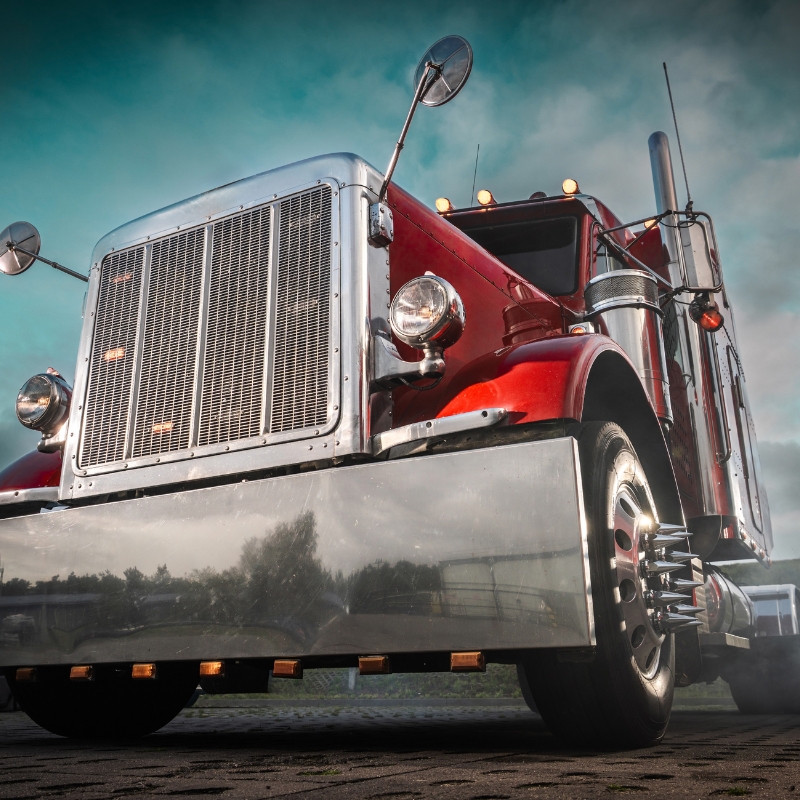
• Tipper trucks used in construction and landscaping
• Concrete agitator (cement mixer) trucks
• Vacuum and tanker-style rigid trucks
• Council and waste collection trucks
• Refrigerated rigid delivery trucks
These vehicles are frequently seen across Greater Sydney, Newcastle, and the Illawarra, especially in local delivery, infrastructure projects, and industrial work.
What matters more than size
Many drivers assume that truck length determines licence class. In reality:
• Axle configuration and rigidity matter more than length
• A shorter truck with three axles may require HR
• A longer vehicle with two axles may still fall under MR
This is one of the most common sources of confusion.
Can You Drive a Bus With an HR Licence?
Yes — and this surprises many people.
An HR licence allows you to drive:
• Rigid buses with more than 8 tonnes GVM
• Large passenger buses with three or more axles
This includes:
• Charter buses
• School buses
• Route buses (subject to employer requirements)
However, holding an HR licence does not automatically authorise you to carry passengers commercially. Operators may require:
• Driver Authority accreditation
• Working With Children Check (for school services)
• Employer-specific induction or route training
The licence covers the vehicle class — not the regulatory requirements of the job.
HR Licence vs MR Licence: Why the Difference Matters
A frequent misunderstanding is believing HR is just a “bigger MR.” While related, the differences are important.
MR licence recap
An MR licence allows:
• Rigid vehicles over 8 tonnes GVM
• Vehicles with no more than two axles
HR licence advantage
An HR licence adds:
• Three or more axle rigid vehicles
• Greater access to construction and heavy transport roles
• Higher earning potential in many NSW industries
If the vehicle has three axles and is rigid, HR is the minimum requirement.
Towing Rules: What You Can (and Can’t) Tow With an HR Licence
Towing is another area where drivers often get caught out.
What’s allowed
With an HR licence, you may tow:
• A single trailer up to 9 tonnes GVM
This is common for:
• Equipment trailers
• Tool trailers
• Small machinery transport
What’s not allowed
An HR licence does not allow:
• B-double combinations
• Semi-trailers
• Road trains
If the vehicle combination becomes articulated, you move into HC or MC territory — even if the truck itself is rigid.
Gearbox Restrictions: Automatic vs Manual HR Licences
NSW licences include gearbox conditions, and these apply to HR licences as well.
Automatic HR licence
If you complete your test in an automatic vehicle:
• You may only drive automatic or synchromesh vehicles
• You cannot legally drive Road Ranger (crash box) gearboxes
Manual HR licence
If tested in a manual (non-synchromesh) vehicle:
• You may drive all gearbox types
• This provides maximum flexibility for employment
Many older or specialised fleets in NSW still operate Road Ranger gearboxes, which is why gearbox choice can matter depending on your work goals.
Common Vehicles People Think HR Covers — But Doesn’t
Misunderstanding licence coverage can lead to fines, insurance issues, or job loss. Here are common assumptions that are incorrect.
Vehicles NOT covered by an HR licence
- Prime movers with semi-trailers
• Articulated buses
• Truck and dog combinations over limits
• B-doubles or road trains
Even if the truck “looks rigid,” articulation changes the licence class.
Real-World Scenarios Across NSW
Understanding licence rules becomes clearer when applied to real situations.
Scenario 1: Construction work in Western Sydney
A tri-axle tipper delivering materials to sites in Penrith requires HR. MR is not sufficient due to axle count.
Scenario 2: Bus driving on the Central Coast
A rigid charter bus falls under HR, but the driver must also meet passenger transport accreditation requirements.
Scenario 3: Regional deliveries near Newcastle
A large rigid refrigerated truck with three axles is HR-eligible, even though it’s shorter than some MR trucks.
When You Might Need to Upgrade Beyond HR
An HR licence is versatile, but not unlimited.
Consider upgrading if:
- You want to drive articulated vehicles
• Your employer operates semi-trailers
• You plan to move into long-haul freight
• You’ll be towing heavier combinations regularly
In NSW, this usually means progressing to HC or MC, depending on vehicle combinations.
Clearing Up the Most Common HR Licence Myths
“HR means I can drive any truck”
Not true. HR applies only to rigid vehicles within defined limits.
“Bus licences are separate”
Incorrect. HR covers rigid buses by vehicle class.
“Trailer weight doesn’t matter”
False. Trailer GVM limits still apply.
These misunderstandings are exactly why drivers often seek structured education before upgrading through an HR licence course in NSW, particularly when changing industries or roles.
Where to Check Official NSW Rules
While training providers explain practical application, licensing rules are set by the state. For official definitions, conditions, and updates, Transport for NSW provides authoritative guidance on heavy vehicle classifications and licence conditions.
This is especially important if you’re moving between states or returning to driving after time away from the industry.
How This Fits Into Professional Driving Pathways
For many NSW drivers, HR is the gateway licence into:
• Construction and civil works
• Waste management and council roles
• Bus and coach driving
• Local and regional freight
Those pursuing professional Heavy rigid licence training often do so to expand job eligibility rather than to move straight into articulated vehicles.
Similarly, drivers exploring a Heavy rigid truck licence are usually focused on rigid fleet roles that dominate metro and regional operations across NSW.
Frequently Asked Questions
Can I drive a bus with an HR licence in NSW?
Yes, as long as the bus is rigid. Additional accreditations may still be required for passenger work.
Is HR higher than MR?
Yes. HR covers heavier rigid vehicles and more axle configurations.
Can I tow machinery with an HR licence?
Yes, provided the trailer does not exceed 9 tonnes GVM and the combination remains non-articulated.
Does HR cover both automatic and manual trucks?
Only if you tested in a manual vehicle. Automatic tests carry restrictions.
Is HR enough for long-haul trucking?
Usually not. Long-haul work often requires HC or MC.