

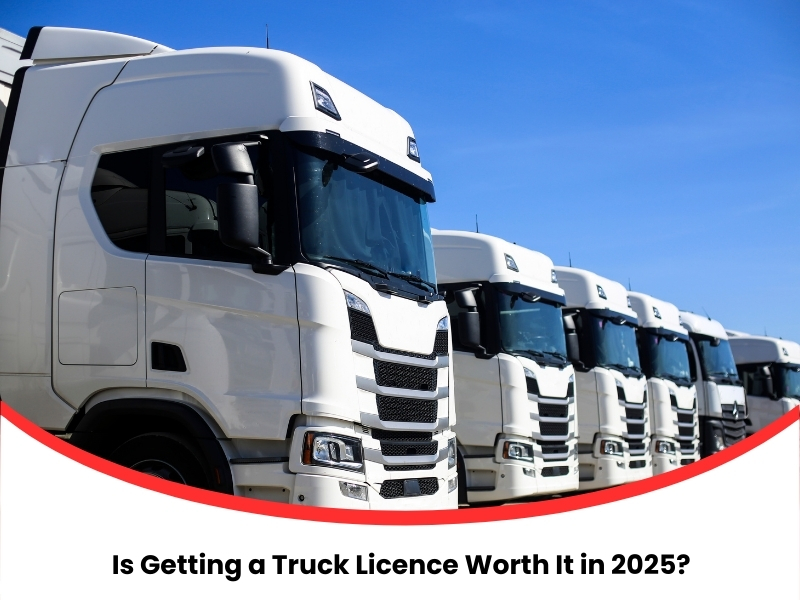
Gearing up to take on a truck licence can feel like a hefty commitment, especially with shifting industry demands and tighter schedules. You’re balancing costs, training days, paperwork, and actual hands‑on skill building before the big day behind the wheel of a heavy vehicle. This article explores whether getting a truck licence in 2025 is a sensible move for your future, and what truly matters in that equation.
What challenges come with getting a truck licence?
You’re aiming for a truck licence but the path isn’t always straightforward. It demands understanding heavy vehicle regulations, mastering difficult manoeuvres, and coordinating training amid life’s pace. That mix can feel overwhelming and daunting. Here are the key hurdles many face:
- Navigating complex training schedules while holding down other commitments can stretch your time management skills to the limit.
- Securing access to modern trucks or appropriate training vehicles may require flexibility that not everyone has.
- Balancing cost expectations—training, testing fees, and potential lost income—can add substantial financial pressure early in the process.
For a smoother start, it’s worth taking time to consider quality training programs designed for truck licence success so you’re not caught out by delays or overlooked requirements that could disrupt your plans.
Why do new drivers feel overwhelmed during training?
Stepping into a truck cabin for the first time often feels like entering another world. The size, controls, and rhythm are vastly different from a car. Juggling new skills with nerves and expectations sets the scene for overwhelm, especially when each lesson brings something unfamiliar. Here are the reasons for that overwhelm:
- Facing a much larger vehicle means adapting instinctively to slower controls, which can be mentally draining.
- Absorbing rules specific to heavy vehicles—like load handling, gear shifts, and clearances—introduces a steep learning curve.
- Coordinating pre‑drive checks, road rules, and self‑monitoring adds layers that many drivers haven’t faced before.
- Performing in high‑pressure assessments, with an assessor watching, can amplify anxiety beyond normal learner nerves.
Starting a trucking career requires more than operating a vehicle—it demands safety, awareness, and technical expertise. From route planning to managing long hours, new drivers must build habits that ensure efficiency and security. By understanding essential truck driver skills for beginners, drivers can better adapt to road conditions, overcome challenges, and develop professionalism crucial for long-term success.

Should getting a truck licence be planned with a budget in mind?
Financial planning isn’t always top of mind when you’re itching to get behind the wheel of a heavy vehicle. But costs add up fast—training, tests, downtime from work. Being realistic about your budget before committing sets you up for smoother progress. Here are the budget considerations to map out:
- Factoring in multiple attempts at practical tests—each can carry a fee that adds up if revisions are needed.
- Budgeting for training sessions, which often include both instructional time and separate assessment charges.
- Accounting for loss of income or leave if you need to attend weekday lessons rather than evenings or weekends.
- Adding in extras like licensing paperwork, medical checks, or unexpected supplementary lessons to master tricky manoeuvres.
Understanding the full cost upfront avoids surprises and keeps you moving confidently. A clear budget helps pinpoint when to train, when to rest, and when to push ahead—so financial clarity becomes a cornerstone of your licence journey.
What documents are needed before getting a truck licence?
Before you get behind the wheel, paperwork is one of the first things you’ll need to get sorted. Missing a document or falling short on identification can delay everything. Having essentials sorted early sets you up for a smooth start. Here are the typical documents required:
- Proof of identity, such as a passport or birth certificate, verified according to RMS guidelines—this is non‑negotiable.
- Evidence of your current licence status and history, especially if upgrading from Class C or MR classifications.
- Health and vision check certificates, if required, to confirm fitness to handle heavy vehicles safely.
- Submit an accurately filled-out and signed application form to avoid delays or invalid submissions.
From NSW government guidance, knowing the documents needed for heavy vehicle licence application well in advance helps you avoid last‑minute hitches.
A solid stack of paperwork can feel dull, but it’s essential. Taking the time to gather and double‑check everything upfront avoids rescheduling or admin nightmares. That early prep makes every subsequent step feel more controlled and dependable.

How do driving schools prepare you for heavy vehicle training?
A good driving school does more than teach controls—they equip you with confidence, structured learning, and relevant rules. Quality providers break training down into manageable parts, making sure you’re not thrown in blind or forced to wing your way through. Here are the ways schools prepare you:
- Guided instruction in modern, well‑maintained trucks (auto or synchromesh), ensuring you learn on reliable equipment.
- One‑on‑one sessions that let you progress at your own pace and focus on areas you find challenging.
- Clear feedback loops and supportive instructors who reinforce safety and problem-solving, not just ticking boxes.
Truck drivers play a vital role in road safety, and adopting safe driving practices for truck drivers is essential to reduce risks. Staying alert, managing fatigue, and following traffic regulations not only protects drivers but also ensures safer roads for everyone.
Which licence class is best when getting a truck licence?
Choosing between LR, MR, HR, HC, or MC classes depends on your goals. Each licence unlocks different vehicle types, which ties into where you want to work and what kind of loads you plan to haul. Picking wisely can shave years off unnecessary training. Here are the class comparisons:
| Licence Class | Vehicles Allowed | Typical Uses |
| LR (Light Rigid) | Small rigid trucks and vans | Light deliveries, urban roles |
| MR (Medium Rigid) | Medium-sized trucks, some buses | Regional deliveries, shuttle routes |
| HR (Heavy Rigid) | Large rigid trucks, buses, and construction vehicles | Urban freight, worksites |
| HC (Heavy Combination) | Prime movers with single trailers | Regional long‑haul, trailers |
| MC (Multi Combination) | B-doubles, road trains | Bulk freight, long distances |
- HR licences are significantly versatile and open doors to local freight and bus driving roles.
- MC class offers a higher earning potential, but requires previous experience and commitment to advanced assessments.
- The MC pathway can be far more expensive due to gear restrictions and longer training timeframes.
- Entry‑level licences like LR or MR may feel too limiting for drivers eyeing future long‑haul work.
Selecting the right class early prevents extra training time and costs later. If you aim to haul long distances, starting with HC or MC makes sense. If you just need basics for local roles, MR or HR might serve better. The right class clears your route efficiently.
Final thoughts
Making the call in 2025 means balancing costs, training pressure, and the evolving transport sector. It also means leaning into solid demand for truck drivers and flexibility across industries. The real question is whether you’re prepared to commit the time, energy, and finances now.
It can pay to discover how Core Truck Driving School helps future drivers succeed in an environment that’s supportive without rush.